
 0
0
 0
0
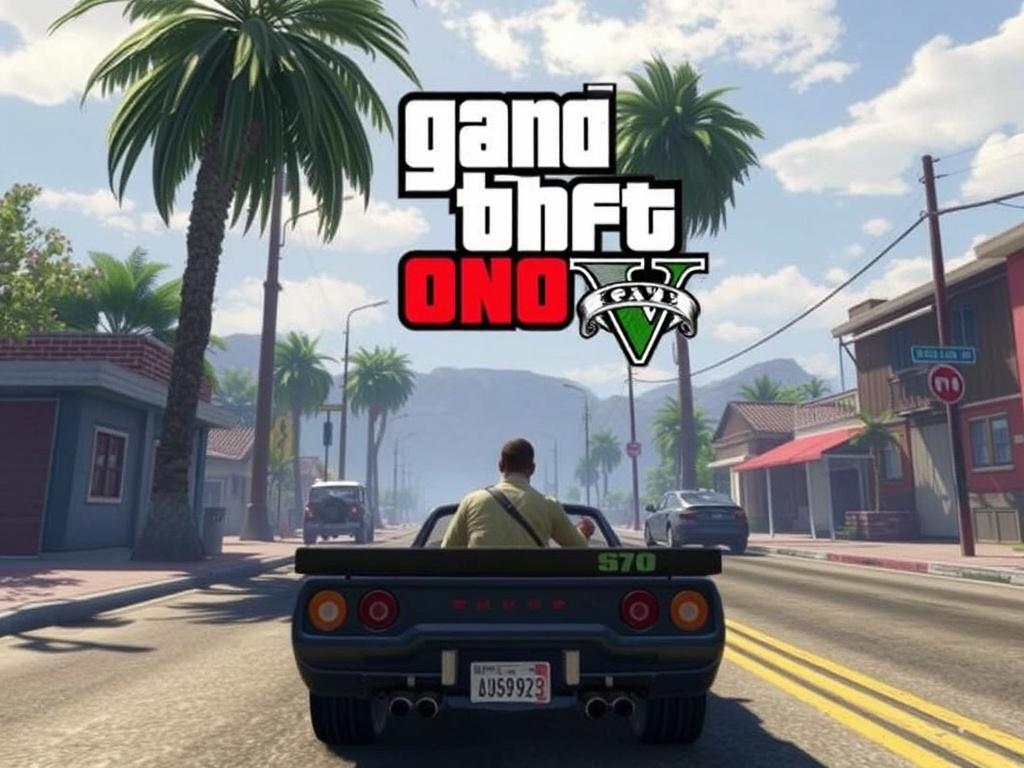
If you love the messy freedom of Grand Theft Auto — the driving, the heists, the city that feels alive — there’s a smorgasbord of open-world games ready to scratch that same itch in fresh ways. This list collects fifteen titles that echo GTA’s sense of possibility: some mirror the crime-and-carplay directly, others borrow the sandbox DNA and remix it with superpowers, hacking, or historical flavor. Read on for quick guides, why each game might hook you, and a few tips from my own hours behind the wheel (virtual or otherwise).
what makes a game feel like GTA?
GTA isn’t just about stealing cars or shooting NPCs; it’s a toolbox of systems that together create emergent fun. Wide-open maps, a mix of scripted missions and unscripted encounters, vehicle variety, a city with personality, and the freedom to choose chaos or caution all matter. When a game gives you reliable toys and lets you invent your own fun, it starts to feel GTA-adjacent.
Other elements that push a title into GTA territory include a robust radio or soundtrack, side activities that reward exploration, and an underlying narrative that ties a player’s actions to consequences. Multiplayer or community features that let players interact, cooperate, or compete add layers that extend the sandbox. Finally, tone matters: whether the game is gritty, satirical, or outright absurd will change how that open-world freedom reads.
Some games approximate the GTA formula by leaning into one or two of those elements instead of copying the whole recipe. You’ll find entries below that emphasize narrative weight over sandbox chaos, and others that offer pure playground destruction with minimal plot. None are carbon copies — that’s the point — but each captures at least one of the things that makes GTA so compelling.
how I chose these titles
I started by asking what people keep telling me they miss most about GTA when they’re between Rockstar releases: city density, vehicle playgrounds, and the sense of being a small character in a big, reactive world. Then I mixed in games I’ve played for dozens (and in a couple of cases, hundreds) of hours, plus a few highly recommended modern alternatives. The result is a blend of crime-focused city sims, chaotic sandboxes, and narrative-driven open worlds that still let you roam.
Personal quick note: I once spent an entire Sunday in Sleeping Dogs, moving from rooftop takedowns to traffic chases and street races, and it felt like finding a long-lost city you’d never expected to love. That kind of surprising immersion is what I used as a compass for this list: can the game make you forget you had plans?
the list: 15 great GTA-like open-worlds
Saints Row: The Third
Saints Row: The Third takes Rockstar’s sandbox DNA and dials the absurd up to eleven without losing the basics that make GTA fun. You get a dense urban environment, plentiful vehicles, and missions that swing from heists to pure nonsense, all wrapped in a wild sense of humor. If you want to laugh while still indulging in chaos, Saints Row: The Third is a perfect first detour.
Its combat and weapon customization are gratifyingly over-the-top, and the customization for your character and gang injects a personal touch into an otherwise anarchic playground. The map rewards exploration with hidden activities and mini-games, so it’s fun to drift from mission to mission. I recommend this one when you want mayhem with a grin rather than gritty realism.
Saints Row IV
Where The Third leaned into satirical crime, Saints Row IV abandons realism altogether: the city becomes a simulated playground and you get superpowers. Sprinting up buildings, hurling cars as weapons, and bending physics into ridiculous stunts gives the open world a new kind of mobility that still scratches the same itch as GTA’s vehicular freedom. It’s less about heists and more about spectacle, which suits players who want maximum toy-like fun.
The story is intentionally bonkers, and the missions are structured to let you use powers creatively rather than forcing straightforward combat. If you enjoyed the customization and gang mechanics of earlier Saints Row games, IV amplifies those systems under the glow of arcade absurdity. Play this when you want a sandbox that feels like gravity took a day off.
Sleeping Dogs
Set in a vibrant, neon-tinged Hong Kong, Sleeping Dogs mixes undercover cop drama with hand-to-hand combat and street-level authenticity. Its driving and shooting systems are solid, but the real standout is the melee combat — it feels weighty and cinematic in a way that complements the city’s verticality. The world is alive with markets, alleys, and rooftop paths that reward exploration beyond the usual highway loops.
Sleeping Dogs captures the moral tension of playing both sides of the law, which gives missions emotional weight you won’t always get in sandbox games. It also nails atmosphere: small details like traffic patterns, street food stalls, and neighborhood culture make immersion easy. I’ve run through its streets more than once and always found something small and wonderfully Hong Kong that I’d missed before.
Mafia III
Mafia III trades some of the overt sandbox silliness for a heavy, character-driven tale of revenge set in a reimagined late-1960s New Orleans. The open world is textured and moody, and while the game isn’t as mechanically dense as GTA in terms of side-systems, its narrative stakes and faction gameplay are compelling. The city’s districts feel distinct, and establishing control over territory creates a tangible arc that ties exploration to progression.
Vehicles and gunplay are competent rather than flashy, but the game’s strength is the story and atmosphere: music, era-appropriate details, and moral complexities. If you want a darker, more cinematic take on organized crime with open-world structure, Mafia III delivers a memorable ride. Expect fewer zany detours and more weighty choices.
Watch Dogs 2
Watch Dogs 2 swaps car-centric chaos for hacking-driven creativity and a bright, charismatic San Francisco to explore. Instead of stealing any vehicle you like and running amok, you can manipulate traffic lights, drones, and public infrastructure to create opportunities and diversions. The result is a sandbox that rewards planning and improvisation in equal measure.
Multiplayer and social features expand the playground: you can invade other players’ games or team up for co-op activities, which keeps the map feeling bustling even after the single-player campaign ends. I’ve found myself experimenting with setups where a traffic jam turns into a perfect getaway — it’s the kind of emergent moment GTA players appreciate, but achieved through different systems.
Watch Dogs (2014)
The original Watch Dogs is grittier in tone and focuses on surveillance and control in a near-future Chicago. Its hacking mechanics are less polished than Watch Dogs 2, but the concept of using city systems as weapons is compelling and sometimes yields genuinely clever scenarios. If you want a slightly darker, tech-angled twist on open-world crime, this one is worth revisiting for the idea alone.
Gameplay can feel uneven — the pacing is hit-or-miss — but certain mission designs where you manipulate cameras and traffic to orchestrate a heist are genuinely satisfying. The game’s sense of paranoia about being watched gives it a different texture than straight criminal sandbox titles. Approach it for atmosphere and systemic creativity rather than pure mechanical finesse.
Red Dead Redemption 2
Rockstar’s western epic is a different flavor of open world, but it shares GTA’s commitment to a living, reactive map and characters who populate it. The world is immersive to a fault: horseback travel, random encounters, and environmental detail make exploration feel meaningful. Missions unfold with cinematic weight, and the slow-burn storytelling rewards patience and attention.
If you love GTA for the way cities feel inhabited and consequential, RDR2 will impress you with its rural analogues: towns with reputations, camps with personalities, and ecosystems that react to your choices. It’s less immediate in its chaos potential, but the depth of simulation — from horse bonding to camp management — makes it an unparalleled open-world experience. I often find myself stopping mid-quest just to watch the world go by.
Cyberpunk 2077
Cyberpunk 2077 grafts GTA-style urban freedom onto an RPG backbone and a neon-soaked megacity. Night City is compact but dense, offering vertical exploration, varied districts, and emergent opportunities tied to stealth, hacking, and gunplay. The RPG elements mean your approach to conflicts can vary wildly based on build and tools, making repeated visits feel fresh.
Despite a rocky launch, the game today is a rich playground for anyone who wants to combine narrative weight with open-world mayhem. You can plan a heist, then improvise when things go sideways; the city gives you options to exploit. If the idea of a sprawling, high-tech metropolis where choices stick appeals to you, Cyberpunk is a strong match.
Yakuza 0
Yakuza 0 captures the pulse of a city district with an intimacy that feels familiar to GTA fans: arcades, bars, back alleys, and gang politics create a compelling urban microcosm. The combat is more beat-’em-up than shooter, but it’s exhilarating in close quarters and the side activities are often irresistible. Mini-games and random encounters make poking around Kamurocho endlessly rewarding.
The Yakuza series is also exceptional at balancing heavy drama with absurd, joyful detours — karaoke sessions, cabaret management, and real estate empire building sit alongside murder plots. If you want a city that feels lived-in and offers a blend of story and distraction, Yakuza 0 might surprise you with how quickly it becomes addictive. I can lose whole evenings just exploring its side quests.
Just Cause 3
Just Cause 3 is pure playground: a gorgeous Mediterranean archipelago to topple authoritarian forces with a grappling hook, parachute, and wingsuit. Where GTA excels at urban subtlety, Just Cause revels in physics-driven chaos and spectacle. If your idea of fun involves launching tanks into the stratosphere or tethering helicopters to oil rigs, this is your sandbox.
There’s less narrative weight and more toy-focused systems, but those toys are absurdly well-engineered for maximum improvisation. The sense of speed and vertical freedom is intoxicating, and the game encourages creative destruction rather than quiet stealth. I’ve spent hours chaining ridiculous stunts together just to see what happens next.
L.A. Noire
L.A. Noire trades the free-form criminal sandbox for a detective’s version of the city: you still drive around and visit crime scenes, but play shifts from shootouts to interrogations and clue-gathering. The open world is atmospheric and period-perfect, evoking 1940s Los Angeles through architecture, cars, and radio. It’s an elegant, slower-paced alternative for players who like the city-as-stage aspect of GTA but want a more investigative focus.
The game’s interrogation and facial-animation systems make interrogations tense and fascinating, and the driving mechanics are satisfyingly old-school. If you enjoy pulling up to a crime scene, taking in the ambiance, and then methodically unraveling a case, L.A. Noire offers a distilled, noir-flavored open-world experience. I regularly recommend it to players who enjoy narrative immersion over pure chaos.
Crackdown 3
Crackdown 3 hands you city-sized verticality and asks you to become an unstoppable agent of order (or chaos, depending on how you approach it). The emphasis is on traversal, explosive set-pieces, and supercharged abilities rather than subtlety. If you want the joy of stomping across an urban landscape and reshaping it with gadgets and weapons, Crackdown is a good fit.
Its multiplayer and destructible-environment features offer spectacle more than depth, but that spectacle scratches the same itch as a GTA rampage in a different meter. The city rewards exploration with collectibles and power-ups that genuinely change how high and fast you can move. Play this when you want to feel physically dominant in a cityscape.
Far Cry 5
Although Far Cry 5 is set in rural Montana rather than a bustling city, its open-world systems mirror GTA’s freedom: vehicles, emergent combat, and a wide variety of side activities. The game encourages creative approaches to missions — stealthy takedowns, vehicular chaos, or full-frontal assaults with a hired squad. The map’s verticality and environmental variety keep exploration interesting even outside urban environments.
Its narrative about cult control provides strong hooks for replaying areas and clearing out enemy strongholds, which satisfies the territorial instincts GTA players often enjoy. While you won’t be stealing sports cars through downtown traffic, the sense of being an active agent reshaping a large, living map aligns closely with the core appeal of sandbox titles. I appreciated how each liberated region felt like a tangible victory.
Assassin’s Creed Odyssey
Assassin’s Creed Odyssey may seem like an odd fit at first glance, but its blend of a massive, open world with freedom of approach and tons of side activities parallels what GTA players love. The game gives you a living map full of towns, naval travel, mercenary encounters, and a variety of ways to tackle objectives. Its narrative scope and RPG progression also encourage long, meandering sessions of exploration.
Combat and traversal differ — you won’t be cruising modern highways — but the sense of possibility remains: you can tackle missions stealthily, go loud, or simply wander and discover. The world’s scale and the number of things to do make it a good pick for players who enjoy open-ended goals and emergent consequences. It’s a historical sandbox with a different costume, but similar impulses behind the fun.
Fallout 4
Fallout 4 transplants open-world freedom into a post-apocalyptic Boston, offering a sprawling map full of factions, settlements, and emergent encounters. The game rewards exploration with unique quests, loot, and the chance to shape communities via settlement building. Combat mixes gunplay with improvised strategy, letting you decide whether to sneak, snipe, or charge in with a big gun.
Its heavy emphasis on player choice and base-building gives it a homey angle absent from most crime sandboxes, but the core satisfaction of roaming a vast, reactive map is intact. I’ve lost track of time scavenging through derelict malls and stumbling into unexpectedly personal side quests — moments that echo the serendipity of a GTA open-drive. If you want exploration with RPG depth, Fallout 4 is a superb detour.
quick comparison at a glance
| Game | Best for | Key platforms |
|---|---|---|
| Saints Row: The Third | Over-the-top sandbox mayhem | PC, PS3, Xbox 360 (remasters available) |
| Saints Row IV | Superpowers and absurdity | PC, PS3/4, Xbox 360/One |
| Sleeping Dogs | Martial arts + urban immersion | PC, PS3/4, Xbox 360/One |
| Mafia III | Character-driven crime drama | PC, PS4, Xbox One |
| Watch Dogs 2 | Hacking sandbox in a lively city | PC, PS4, Xbox One |
| Red Dead Redemption 2 | Immersive, cinematic open world | PC, PS4, Xbox One |
| Cyberpunk 2077 | Dense futuristic city + RPG depth | PC, PS4/5, Xbox One/Series X |
| Yakuza 0 | Street-level drama and mini-games | PC, PS4, Xbox One, Switch |
| Just Cause 3 | Destructive sandbox stunts | PC, PS4, Xbox One |
| L.A. Noire | Detective-focused city exploration | PC, PS3/4, Xbox 360/One, Switch |
| Crackdown 3 | Vertical movement and chaos | PC, Xbox One |
| Far Cry 5 | Rural open-world mayhem | PC, PS4, Xbox One |
| Assassin’s Creed Odyssey | Historical exploration and RPG systems | PC, PS4, Xbox One, Switch (cloud) |
| Fallout 4 | Post-apocalyptic exploration + building | PC, PS4, Xbox One |
This table provides a quick sense of what each game trades off: some lean into narrative, others into sandbox toys, and platforms vary. Use it as a fast filter to pick which game matches the mood you’re in today. If you care a lot about mod support or performance on older hardware, check community resources before you buy.
Note that many of these titles have been updated, re-released, or remastered over the years, so platform availability can expand. Also, certain mechanics — like hacking or superpowers — can change how much a game feels like GTA, so pay attention to the “Best for” column when choosing.
tips for picking the right game
Decide whether you want the criminal sandbox itself or a broader open-world experience with similar freedoms. If you crave car chases and city chaos, Saints Row, Sleeping Dogs, and the Watch Dogs games are strong bets. If you want narrative depth with a living world, Mafia III, Red Dead 2, and Cyberpunk 2077 deliver heavy stories alongside exploration.
Consider pacing: some games reward slow, methodical exploration (RDR2, L.A. Noire), while others hand you tools designed for instant spectacle (Just Cause 3, Saints Row IV). My advice is to match game tempo to your mood. There’s no shame in wanting pure, low-effort chaos after a long day, and there are titles optimized for that exact experience.
Lastly, think about longevity. Games with strong side activities, co-op or multiplayer hooks, and modding communities will keep giving you reasons to come back. Fallout 4 and Just Cause 3 have lively mod scenes; Watch Dogs 2 and the Saints Row entries have replayable co-op or over-the-top moments that feel fresh when shared with friends.
how to get the most out of these open worlds
Set small personal goals rather than trying to “complete” everything at once: maybe it’s discovering a neighborhood you’ve never visited, beating a regional boss, or trying an unusual vehicle run. Those micro-goals create natural stories that feel as satisfying as beating the main campaign. In cities, I enjoy choosing a random district and committing to see everything there before moving on.
Don’t ignore side content. Many overlooked gems hide in the side quests: characterful strangers, mini-stories, and modular systems that reveal deeper mechanics. I’ve had more memorable hours with optional characters than with some main missions, because those detours let the world breathe and surprise you. Give the map time; open worlds reward patience.
Finally, play with different approaches. If you always go in loud, try a stealth or nonlethal run for the same mission. If you prefer story, spend a session purely exploring and sampling radios, shops, and environmental details. Switching playstyles refreshes familiar spaces and often reveals design details you missed the first time around.
final notes and picking your next game
If you want a direct GTA-flavored hit, Saints Row: The Third and Sleeping Dogs are excellent starting points, balancing sandbox freedom with focused urban energy. For players who enjoy systemic play and planning, Watch Dogs 2 and Cyberpunk 2077 offer inventive tools to manipulate their worlds. If you prefer strong narratives that still let you roam, Red Dead Redemption 2 and Mafia III are dependable choices.
Don’t be afraid to try something that looks different on the surface — Just Cause 3’s chaotic physics or Yakuza 0’s street-level charm may surprise you by providing the same deep sense of exploration and ownership you enjoy in GTA. Open worlds come in many flavors; the core promise is the same: a big space, interesting toys, and the freedom to make your own stories. Pick one based on the kind of fun you want today and dive in.
Whichever of these fifteen you choose next, allow yourself a few hours just to wander before chasing missions. The best moments in open-world games often arrive when you least expect them, whether that’s a perfect getaway, a ridiculous stunt, or a quiet scene that makes the city feel real. Happy exploring — and watch out for the long nights ahead; open-world games have a knack for stealing time in the best possible way.


